A typical Friday arvo at your local, and the pokie machines at the pub hum in the corner like they’ve done for decades. The setup looks pretty similar from Leederville to Fremantle to out near Scarborough: rows of machines, themed cabinets, and a lobby that decides which game you actually play. This walkthrough covers the game catalogue and how a pub organises its pokie floor, from the providers on the cabinets to the way players hunt for their next favourite title.
Reading the Floor: How a Pub Lays Out Its Pokies
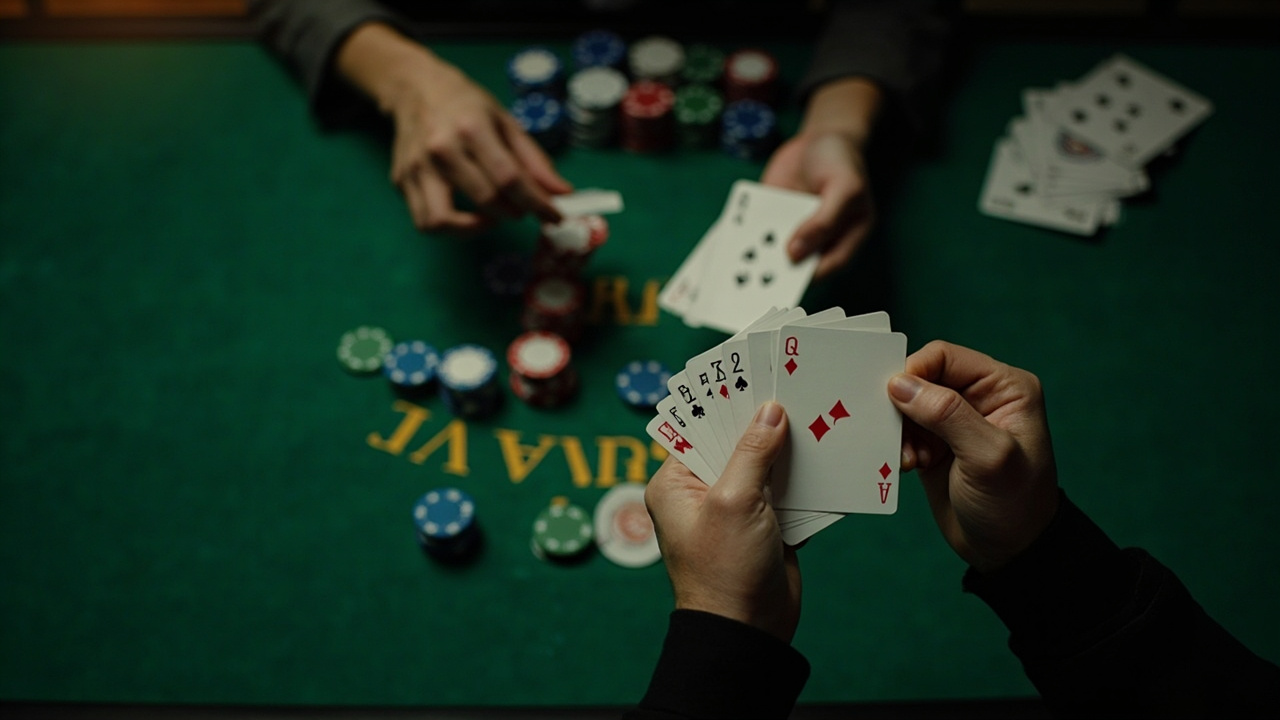
Pub pokie floors follow a layout pattern that’s more deliberate than most players realise. Venues cluster machines by denomination – pennies on one side, dollars in the middle, higher-stakes stuff toward the back. Games are usually grouped by theme or provider, so a row of Aristocrat Lightning Link cabinets sits next to a cluster of IGT or Konami titles. At bigger venues like the Burswood end of town, the floor runs hundreds of machines across several rooms, with jackpot link displays overhead.
Players read the room the way I used to read a trading floor – fast, with pattern recognition. The most popular machines sit closest to the bar or entry, because venues know foot traffic drives initial play. Newer releases get prominent placement for a few weeks before being shuffled into the rotation. From an AI infrastructure angle, the data flowing off a busy pub floor tells you a lot about which games earn their real estate: spin counts, hold percentages, session length, repeat play. The best lobbies rotate stock on that evidence; the mediocre ones leave the same dead machine by the toilets for six months.
To practise the same selection discipline away from a venue, https://thepokiesnetnodeposit.com/ runs a no-deposit trial lobby built around the same Aristocrat and IGT-heavy catalogue.
The Game Catalogue: What Actually Spins on a Pub Pokie
The Providers Behind the Machines
Aristocrat dominates the Australian pub pokie landscape – Lightning Link, Buffalo, and 5 Dragons take up a huge slice of cabinet real estate. IGT is the next most common name, with Cleopatra and Wheel of Fortune still pulling steady play. Konami, Ainsworth, and AGS round out the heavy hitters with their own branded cabinets and link progressives. The catalogue is concentrated and deliberate, because venues want games with proven math models and recognisable themes that players already trust.
The Slot Mix and Theme Families
A typical pub pokie floor is roughly 85% slots and 15% video poker, keno, or novelty games. Most titles fall into a handful of theme families: Asian-themed games, animal and nature slots, branded pop-culture titles, and the hold-and-spin mechanic that drives Lightning Link and Buffalo Diamond-style jackpots. A few feature-buy and Megaways titles have crept in, though state regulations cap max bet sizes, which dulls the appeal of high-volatility mechanics. Long-session players stay on the classic five-reel Aristocrats; jackpot-chasers gravitate to the link progressives with their overhead displays ticking upward. The feature set is consistent – wild symbol pokies on Aristocrat cabinets behave the same way they have for a decade, and most players already know which title delivers the bonus round they want.
Finding a Game: Search and Discovery
Here’s where a real pub floor differs from a polished online lobby: no search bar, no algorithm, no recommendation engine. You walk, you read the screens, and you pick. Most players default to a familiar cabinet – the one that paid out last week. Jack Henderson, Payments Strategy Director at Great Southern Betting Review, reckons that’s where most players lose the plot. “You’ll sit at the loudest one because it feels due,” he says. “The cabinet doesn’t know it’s due, but the math hasn’t changed.” The practical search process usually runs like this:
- Scan for the loudest screens – games currently paying or in bonus.
- Check the jackpot ticker on link progressives.
- Read the belly glass for RTP and min/max bet.
- Sit, test with a small buy-in, decide within ten spins.
- Move on if it doesn’t suit – the next machine is rarely far.
Discovery is more social and more random than a curated online lobby, which is both a feature and a limitation.
Who This Setup Suits Best
The pokie machines at the pub work brilliantly for one type of player and frustrate another. If you value atmosphere, a cold drink, a social buzz, and a curated, predictable catalogue of proven games, the pub floor is hard to beat. The Aristocrat and IGT-heavy mix means you always know roughly what you’re getting, and the hold-and-spin jackpots give casual players a real chance at a meaningful hit. From an Olympic discipline perspective, the pub structure actually suits a self-managed session – fixed buy-in, a visible clock on the wall, and a bartender who’ll tell you when to slow down.
It suits less well if you want a deep, searchable catalogue, sub-dollar minimum bets, or freedom to chase bonus rounds across hundreds of titles. Online lobbies can offer that variety, but they cannot replicate the room. The same player who feels restricted by the pub catalogue can still treat the venue as a way to test-drive a game before playing a longer session at home. Players who treat pub pokies as a night out rather than a strategy exercise get more out of the experience than those grinding a system – the math is the same everywhere, but the mood is not.
Pub pokie machines in Australia are a well-understood catalogue wrapped in a social experience no online lobby can fully copy. The walkthrough is straightforward: read the floor, pick a cabinet that matches your session, set a hard cap, and respect the math. At a Scarborough local or a Fremantle heritage pub, the providers, the layout, and the search process are remarkably consistent. No surprises, no scrolling – just the familiar cabinets. That’s why the pub pokie still earns its corner.